The Illusion of Winning Big
One of the most alluring aspects of casinos is the idea of hitting the jackpot. Many people enter these establishments with dreams of striking it rich, fueled by stories of individuals who made staggering sums of money overnight. However, the reality is far different. Slot machines, for instance, may give the impression of frequent payouts, but in truth, they are programmed to return only a small percentage of the money wagered over time, which can be influenced by factors like nrl betting strategies. This creates an illusion of winning that keeps players engaged, often leading to greater losses overall.
Furthermore, the odds are heavily stacked against players across all games. Regardless of whether one is playing poker, blackjack, or the roulette wheel, the house always maintains an inherent advantage. For example, games like roulette have a built-in house edge, meaning that even skilled players will find it challenging to consistently win. Understanding this reality helps demystify the allure of casinos and reminds players to gamble responsibly.
Understanding that casinos are designed to entertain rather than guarantee financial success is crucial. The excitement and ambiance may lead individuals to believe they can replicate the stories of big winners, but the numbers tell a different story. By recognizing this illusion, players can approach gambling as a form of entertainment rather than a guaranteed source of income.
The Role of Comps and Rewards
Casinos often entice players with complimentary perks and rewards, known colloquially as “comps.” These can range from free meals and drinks to hotel stays and exclusive event invitations. At first glance, it may seem like players are getting something for nothing, but there is a catch. The more you play, the more likely you are to receive these benefits, but they come at a price—your money. The casino’s strategy is to keep you playing longer, fostering a sense of loyalty while simultaneously increasing your overall losses.
The psychology behind comps is fascinating. Many players feel a sense of entitlement when they receive free items, which can lead to a false sense of security regarding their gambling habits. This phenomenon encourages them to wager more, thinking that the casino is rewarding them for their loyalty. However, it’s crucial to remember that the value of these comps often pales in comparison to the amount spent on gambling, making them another tool in the casino’s arsenal for maximizing profits.

Additionally, the rewards system can create a cycle of addiction for some players. The excitement of receiving a complimentary meal or drinks can lead players to overlook their losses, focusing instead on the perks they are earning. This highlights the importance of self-awareness while gambling, reminding players that the house always has the upper hand, even when it offers seemingly generous rewards.
The Impact of Casino Design
The physical layout of a casino is not accidental; it is meticulously crafted to create an immersive experience that keeps players inside longer. From the absence of clocks to the strategic placement of slot machines and gaming tables, every element is designed to maximize engagement. For instance, players often lose track of time, leading them to spend more while they are caught up in the thrill of the games.
Moreover, the sensory environment plays a significant role in influencing player behavior. Bright lights, engaging sounds, and even the scent of fresh popcorn are all part of the strategy to create a pleasurable atmosphere. This deliberate sensory overload contributes to the euphoric feeling that many experience while gambling, often resulting in impulsive decisions and increased spending. Understanding this environment can empower players to be more mindful of their choices.
Additionally, casinos often employ staff members who are trained to engage with players and create a welcoming atmosphere. From cocktail servers to friendly dealers, the human element fosters a sense of community and belonging, further encouraging players to stay longer. This design tactic highlights the importance of being aware of how surroundings can influence behavior and decisions while gambling, reminding players to remain cognizant of their experience.
The Myths of Skill vs. Luck
One common myth is the belief that certain games offer players a chance to employ skill to outsmart the house. While games like poker allow for strategic thinking and psychological tactics, the overwhelming majority of games in a casino are based on luck. In games such as slots and roulette, the outcomes are determined by random number generators, making it impossible for players to manipulate the results through skill. Understanding the distinction between skill-based and luck-based games is vital for managing expectations.
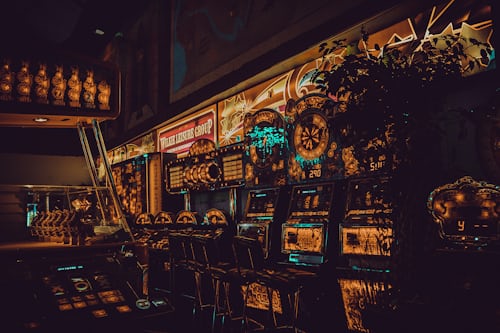
Even in skill-based games, the house edge remains a critical factor. For example, while experienced poker players may have a better chance of winning, they are still competing against other skilled players, as well as against the house itself. Thus, the belief that one can consistently win through skill is often challenged by the reality of variance in outcomes. It’s essential for players to approach these games with a balanced perspective, recognizing both the role of luck and the importance of skill.
The conflation of skill and luck leads many to continue gambling despite a losing streak, hoping that a winning hand is just around the corner. This mindset can be detrimental, as it fosters a cycle where individuals chase losses. Being aware of the odds and understanding the nature of each game can help players set more realistic goals and manage their gambling habits more responsibly.
Getting Informed: Resources on Gambling
For those seeking to understand more about gambling, resources are available that delve deeper into the world of casinos and gaming. Websites dedicated to gambling education often provide valuable insights into the psychological, social, and financial aspects of gaming. Engaging with these resources can empower players to make informed decisions about their gambling behaviors, creating a healthier relationship with games of chance.
In addition to educational websites, many forums and community platforms exist where individuals can share experiences and strategies. Engaging in discussions with fellow players can provide different perspectives and insights. These communities often highlight the importance of responsible gambling, reminding members of the potential risks involved and encouraging a balanced approach to gaming.
Ultimately, being informed is key to demystifying the allure of casinos. Understanding the realities behind the myths allows players to enter gaming environments with a clear mind and realistic expectations. Those who take the time to educate themselves will likely find more enjoyment in the experience while avoiding common pitfalls associated with gambling.

